


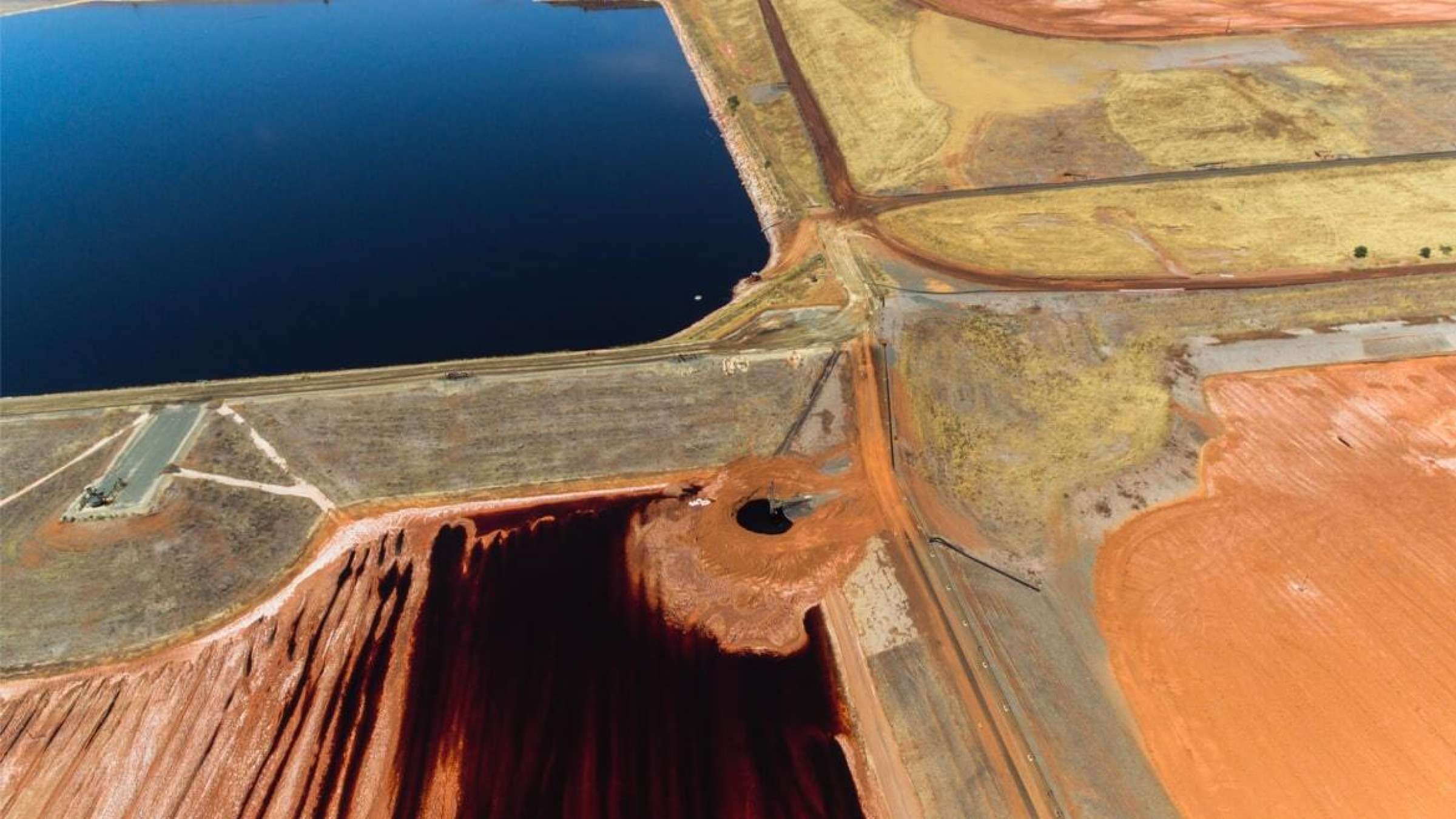
Application
The Minealytics Tailings Quality Monitoring System combines computer vision and wet-plant data to support tailings and water management. It is designed to provide additional operational evidence, not to replace engineered geotechnical monitoring, statutory inspections or site emergency procedures.
Overview of the System
Stage One: Wet Plant Water Usage Optimisation
- Objective: address the root cause of excess water generation in tailings dams.
- Methodology: optimal control of water usage in the wet processing plant through a data-driven approach.
- Implementation: use of AI models to regulate water use in wet separation technologies like cyclones, upcurrent classifiers, and belt filters, transitioning from constant flow, variable density mode to a more efficient variable flow mode.
Stage Two: Computer Vision-Based Monitoring
- Objective: detect and track potential tailings issues using advanced computer vision techniques.
- Technology: integration of data science, deep learning, and computer vision for real-time monitoring and anomaly detection.
- Application: continuous surveillance of visible conditions such as wall changes, vegetation, spillage, and changes in slurry or dust levels.
Stage Three: Feedback Loop and Control
- Objective: integrate the feedback from tailings monitoring into the thickening process for closed-loop control.
- Methodology: data-driven control methodologies to adapt to varying slurry properties and optimise thickener performance.
- Result: enhanced water recovery and bed separations in the thickening process, reducing direct wastewater flow to the dam.
Solution: Minealytics Tailings Monitoring
Key Features of the System
- Mobile solar-powered trailer system: a self-sufficient, solar-powered unit equipped with high-resolution cameras and edge processors to run anomaly detection neural networks.
- Real-time data access: data from the monitoring system is accessible in real time via 4G or microwave communication, facilitating prompt response to any detected issues.
- Comprehensive monitoring: capable of monitoring visible wall condition, tailings levels and profiles, and environmental changes. It complements, rather than replaces, engineered geotechnical monitoring.
- Integration with wet plant processes: links monitoring outputs with wet-plant signals where the site integration and control case support it.
Operating mode
Configured per site
The approved operating mode depends on the site, available data, validation results and safety case. A capability may begin as monitoring or advice, then progress to supervised or closed-loop control. Existing PLC, DCS and safety interlocks remain the final authority on what equipment can do.
Read about deployment and assurance