


Solutions
Autonomous Grinding
Grind at the sweet spot — neural mill, cyclone and pH control
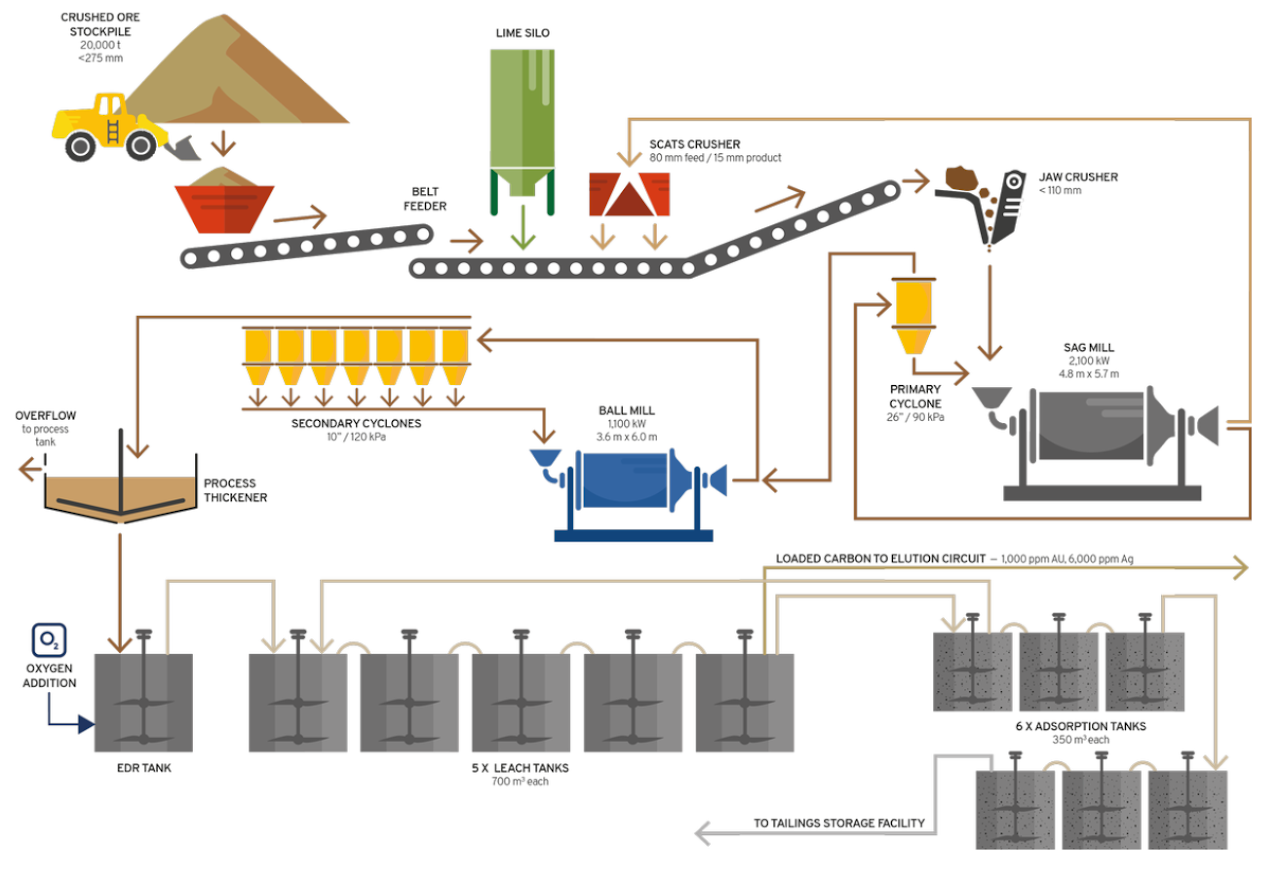
Interactive plant schematic
Explore the flowsheet — click a highlighted area to open its technology page.
Technologies
SAG pH Control
Holds SAG-mill slurry pH in a tight range while minimising lime use — recurrent-neural-network prediction drives dosing, recalibrates online against the discharge sensor and flags faulty pH sensors.
Learn more →
Neural Mill Control
Runs the mill at its highest safe load — machine-learning load prediction optimises feed, water and speed set points, adapting in real time to ore and equipment changes.
Learn more →
Recirculating Load Prediction
Balances SAG and ball-mill utilisation to prevent overload — AI recirculating-load prediction enables pre-emptive feed, speed and water adjustments that cut energy use and wear.
Learn more →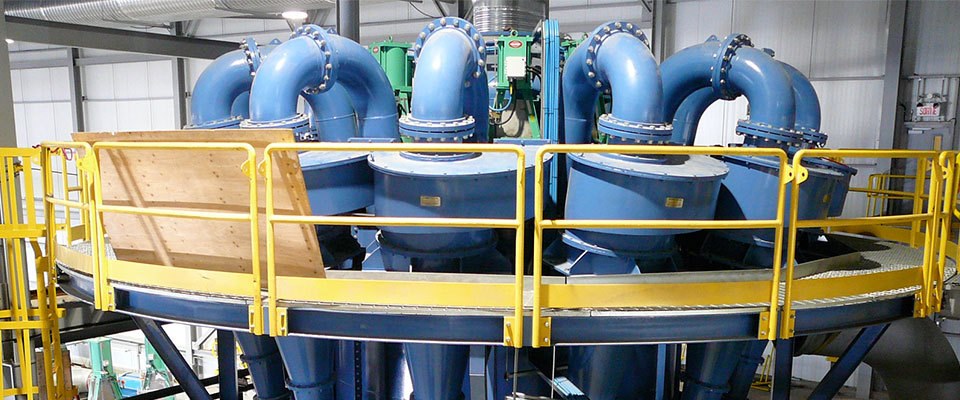
Optimal Cyclone Selection
Maintains separation efficiency and product size as feed conditions vary — predictive density models select the optimal number of active cyclones and set inlet pressure automatically.
Learn more →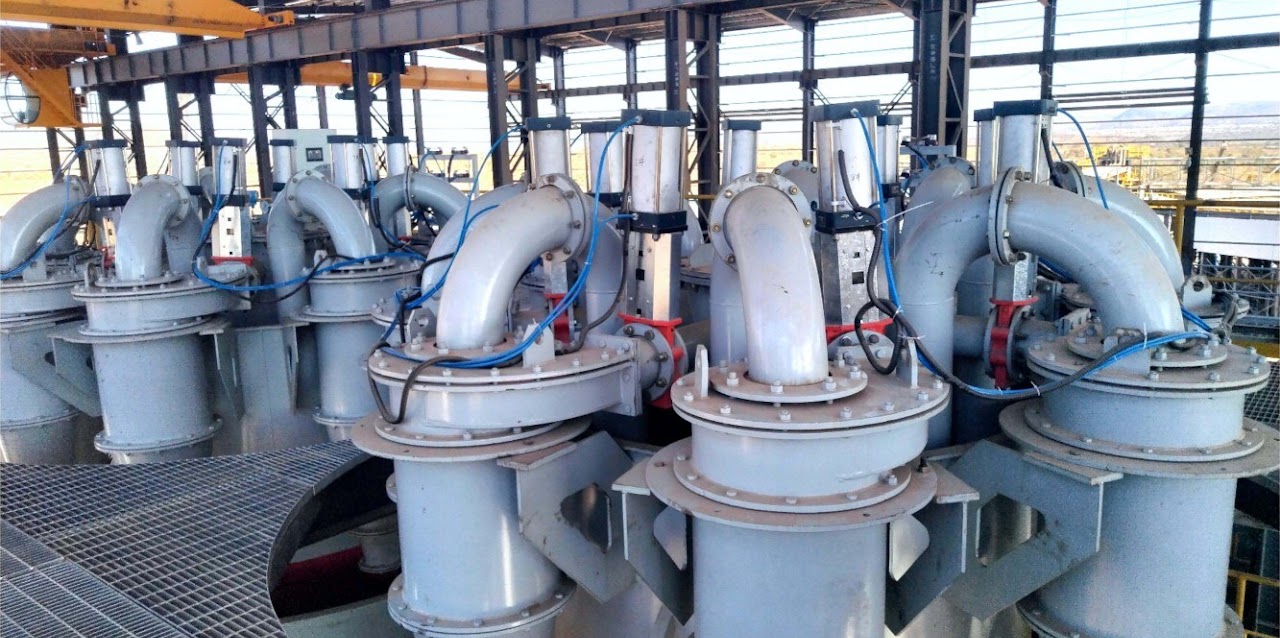
Neural Cyclone Density Control
Stabilises cyclone performance beyond PID — temporal neural networks predict feed, overflow and underflow densities, even without online density measurement, enabling proactive control that cuts wear and energy.
Learn more →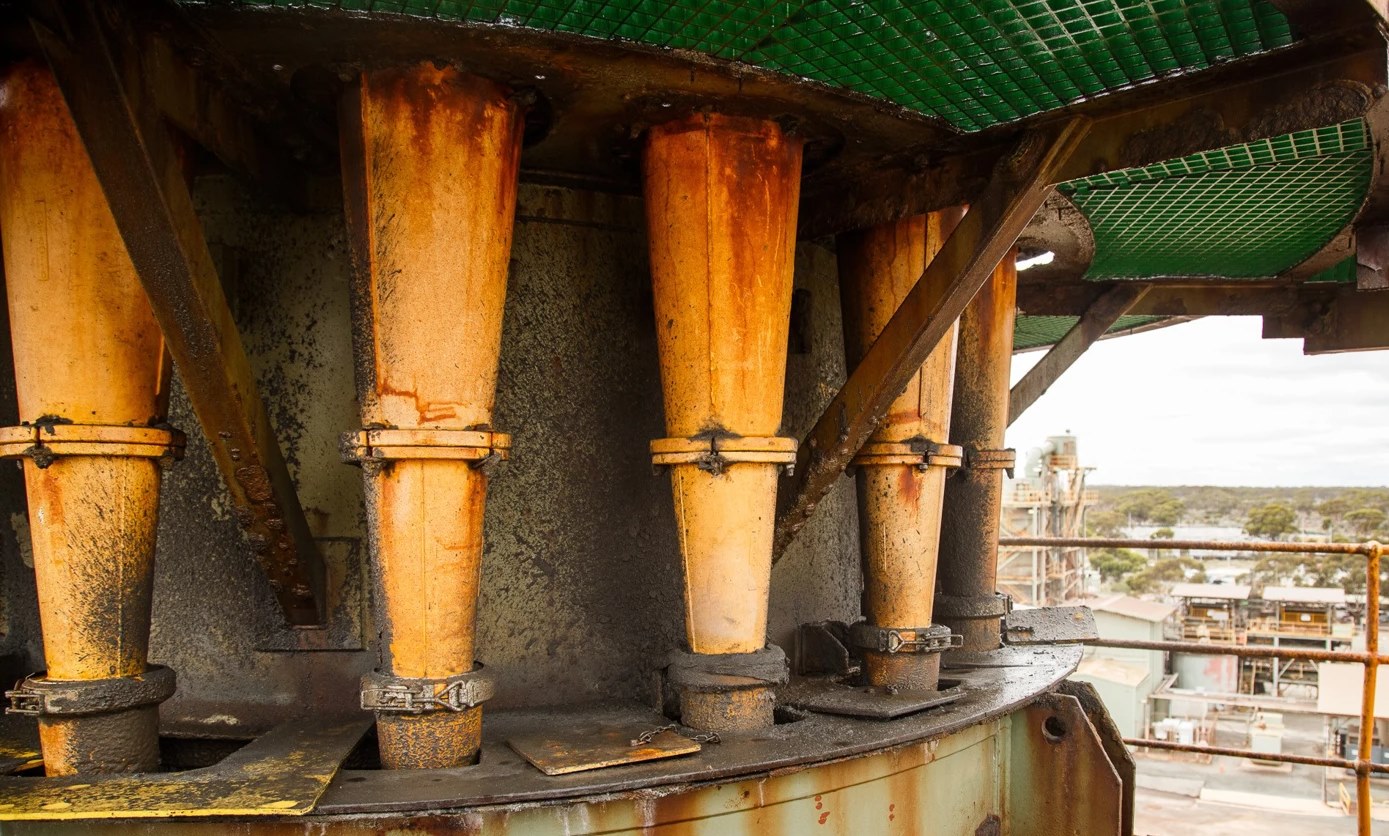
Cyclone Roping Control
Holds cyclones at peak separation efficiency — real-time vision monitoring of the underflow discharge angle catches roping before the air core collapses, protecting recovery, throughput and equipment.
Learn more →Autonomous Mine Intelligence
A plant-level optimiser for Grinding
Your operators shouldn’t have to trial-and-error the plant to its sweet spot. Above the grinding control loops, a governed Layer-3 process supervisor continuously moves the plant’s high-level setpoints — searching for better operating points while a Layer-2 neural model-predictive layer models the process response. It runs in closed loop within operator-approved boundaries, measures what actually happened, and learns which moves improve performance.
Setpoints it moves
- Mill feed rate
- Water addition
- Mill-load target
- Cyclone feed density
- Lime / pH dosing
Optimisation objectives
- Maximise throughput at target grind size
- Hold slurry pH
- Avoid mill overload
- Stabilise the recirculating load